
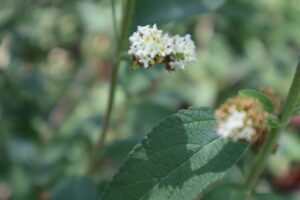
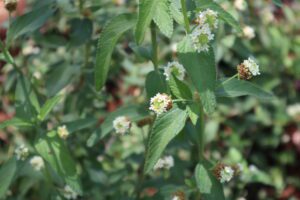
 In the vast savannas of Kenya, where the Maasai have roamed for centuries, the plant known as osinoni—scientifically Lippia javanica—stands as a quiet powerhouse of resilience and utility. This aromatic shrub, with its clusters of tiny white flowers and lemon-scented leaves, thrives in dry rangelands, playing a crucial role in biodiversity. It anchors soil against erosion, draws in pollinators like bees and butterflies to sustain food webs, and contributes to the mosaic of native flora that supports wildlife from grazing herbivores to birds. In ecosystems battered by climate shifts and overgrazing, osinoni’s adaptability helps maintain balance, preventing desertification and fostering regeneration in arid zones.Historically, osinoni weaves deep into Maasai lore, passed down through oral traditions since at least the 19th century when colonial disruptions began reshaping their lands. It’s no mere weed; Maasai healers, or laibons, have long harvested its leaves and stems for potent remedies—sniffed to clear colds, brewed into teas for fevers and coughs, or used as a disinfectant for wounds. Culturally, it’s sacred: during circumcision rites, a pivotal coming-of-age ritual, osinoni is placed on the initiate’s bed for its purifying scent, warding off infection and evil spirits while invoking strength and renewal. This ties it to the core of Maasai identity, where plants aren’t just resources but living allies in survival, embodying harmony with the wild.Symbolically, osinoni evokes purity, healing, and unbreakable ties to the earth—a fragrant guardian that cleanses body and soul, much like the fresh winds sweeping the plains after rain. It’s this essence that inspired the naming of Osinoni Nature Conservation: rooted in Maasai heritage, the name honors the plant’s restorative spirit, mirroring the organization’s drive to mend degraded wetlands and revive biodiversity. Just as osinoni heals the people, the group channels that symbolism to nurture Kenya’s landscapes, blending indigenous wisdom with modern stewardship for a legacy of endurance.